P/N 2455038-2: Engine Cooling Airflow Component
P/N 2455038-2: Engine Cooling Airflow Component
Blog Article
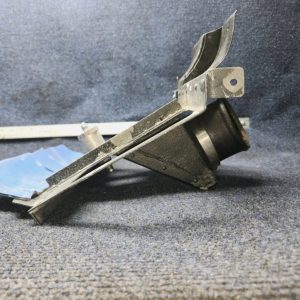
P/N 2455038-2 may support scheduled maintenance, engine-compartment restoration, corrosion repair, accident recovery, or project-aircraft completion.
A Cessna 172RG Rear Right-Hand Baffle may also be described as a Cessna 172RG Engine Baffle or Cessna 172RG Cooling Baffle when the position and part number remain clear.
The Cessna 172RG Baffle Assembly works with surrounding seals and panels, while the Rear RH Engine Baffle should not be evaluated as an isolated piece.
The Cessna Engine Cooling Baffle works with other Cessna 172RG Engine Compartment Parts to reduce unwanted air leakage and direct airflow through intended cooling paths.
The Cessna Aircraft Engine Baffle, Engine Cooling Baffle Assembly, Cessna Cutlass Cooling System Part, and Cessna 172RG Replacement Baffle terms represent related maintenance and commercial searches.
Reviewing the 2455038-2 Component
The P/N 2455038-2 marking should be confirmed through stamped identification, labels, donor-aircraft records, packaging, photographs, and applicable Cessna parts information.
Any alternate number, superseded number, drawing reference, repair marking, or donor-aircraft serial number should remain connected with the component.
How Aircraft Baffles Direct Cooling Air
Cracks, missing seals, loose fasteners, or distorted edges can allow cooling air to bypass intended areas.
Cooling performance depends on proper pressure differences, sealed boundaries, suitable airflow paths, and accurate baffle positioning.
Verifying Fitment Before Purchase
The Cessna 172RG Cutlass may contain production changes, previous repairs, engine modifications, or altered cooling-system components that affect fitment.
The engine model and installed accessories can influence clearances, brackets, hoses, wiring routes, and the shape of surrounding cooling components.
Maintaining Original Baffle Geometry
A visually similar sheet-metal component should not be substituted using unverified material or dimensions.
The baffle should be supported correctly during storage and shipment to prevent bending.
Inspecting the Cessna 172RG Cooling Baffle
A detailed inspection provides stronger evidence than a general good-condition description.
Previous patches, stop-drilled cracks, replacement brackets, welds, or enlarged holes should be documented.
Baffle Seal Condition and Air Leakage
The offered assembly should identify whether seal material, retainers, rivets, or mounting hardware are included.
Replacement seal material should correspond with the intended aircraft installation and suitable technical requirements.
Evaluating Corrosion on Cessna Baffles
Professional corrosion treatment helps preserve the remaining baffle within acceptable limits.
Storage components should remain dry, clean, supported, and protected from unsuitable wrapping that traps moisture.
Cessna Engine Baffle Mounting Condition
Fastener holes should be checked for elongation, cracking, burrs, corrosion, double drilling, fretting, and evidence of repeated removal.
Old hardware should not be reused automatically because it fits the existing holes.
Planning a Complete Baffle Repair
Organized inventory management supports a more efficient Cessna Cutlass maintenance project.
Used Cessna 172RG Engine Compartment Parts should be evaluated individually rather than accepted solely because they came from the same donor aircraft.
Baffle-Related Temperature Problems
Complete troubleshooting helps prevent unnecessary replacement and repeated maintenance.
Post-maintenance checks should confirm that the complete installation functions as intended.
Cessna Baffle Repair Considerations
A localized defect may be repairable, while widespread cracking, severe corrosion, or distorted geometry may support replacement.
Patches or replacement brackets should not create interference with the engine, cowling, controls, wiring, hoses, or exhaust system.
Cessna Cutlass Engine Parts for Sale
Components with clear donor-aircraft information, more info current photographs, and transparent condition descriptions are easier for professional buyers to evaluate.
The listing should state whether the component is new, used, repaired, inspected, untested, serviceable, or offered for parts.
Inspecting the Baffle Before Purchase
The seller should provide photographs showing both sides, flanges, holes, brackets, contours, edges, markings, corrosion areas, seals, and repairs.
- Resolve identity, compatibility, orientation, and package-completeness questions before payment.
- Do not treat clean paint, straight appearance, or donor-aircraft history as proof of current serviceability.
- Confirm the invoice, payment protection, packaging method, shipping insurance, inspection period, return conditions, and stated component status.
Protecting Cessna Engine Baffles in Transit
Loose seals and hardware should be bagged, labeled, and secured separately.
During storage, the component should remain supported in its natural shape rather than leaning under loads that may cause distortion.
Completing a Rear Baffle Replacement
Installation should be completed by appropriately qualified aviation maintenance personnel using applicable aircraft, engine, parts, and maintenance information.
Fastener holes should be inspected carefully, while hardware type, grip, spacing, and installation method should correspond with suitable technical data.
Disciplined installation and documentation protect the Cessna 172RG Rear RH Baffle Assembly
Maintaining the Cessna 172RG Cooling System
Consistent inspection supports the condition of the complete Cessna engine cooling system.
Recurring cracks or loose attachments should prompt investigation of vibration, alignment, and supporting hardware.
P/N 2455038-2
P/N 2455038-2 may suit aircraft owners, maintenance facilities, repair organizations, restoration specialists, and parts suppliers seeking a correctly identified engine baffle.
The baffle should be judged according to complete installation suitability rather than clean appearance, general Cessna similarity, donor-aircraft status, or purchase price alone.
Whether maintenance teams are sourcing an Engine Cooling Baffle Assembly, Cessna Cutlass Cooling System Part, or Cessna 172RG Replacement Baffle, qualified installation should precede operational use.
With verified identity, suitable material condition, accurate geometry, professional installation, organized documentation, and routine inspection, the baffle can provide dependable long-term value.
Report this page